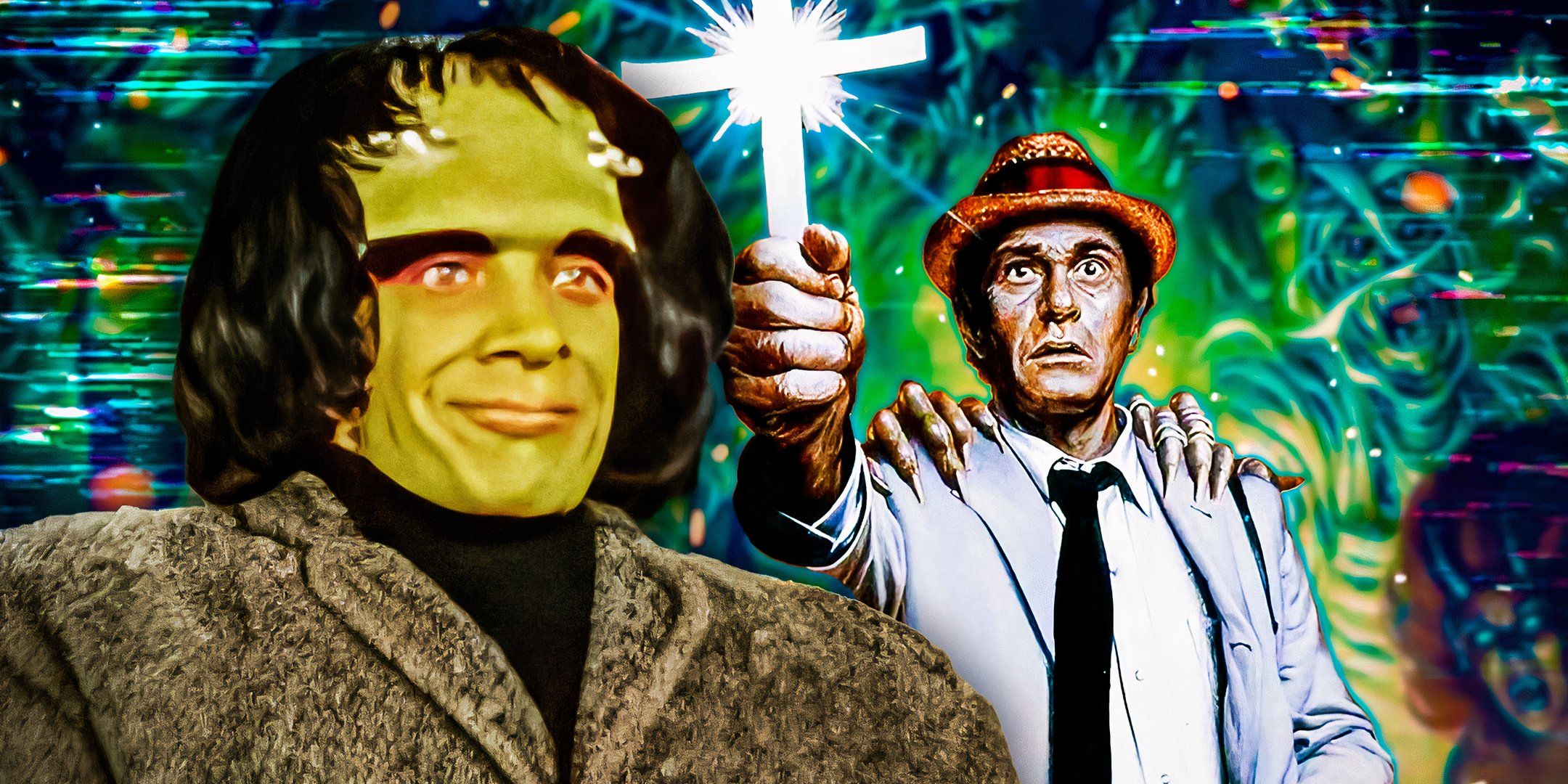
You don’t become a cult icon overnight. But if you do, it can follow you for decades. Matthew Lillard knows this better than most. From his twitchy, scene-stealing turn as Stu Macher in Scream (1996) to his voice work as Shaggy in Scooby-Doo animations, Lillard has carved a niche that’s equal parts quirky, genuine, and unforgettable. Today, he’s not just surviving in Hollywood—he’s thriving. And he’s the first to admit it’s not just talent. It’s nostalgia.
In recent interviews, Lillard has been candid: he believes the reason studios keep calling him back isn’t because they’re chasing innovation—it’s because audiences are chasing memory. “They’re not hiring me for my range,” he once joked. “They’re hiring me for your high school VHS collection.”
That self-awareness isn’t just charming—it’s revealing. In an era where reboots, reimaginings, and legacy sequels dominate box office charts, Lillard’s career offers a case study in how nostalgia reshapes careers, redefines relevance, and sometimes, resurrects them.
The Cult of Stu Macher and the Power of a Single Role
Let’s be honest: most actors would kill for one role that defines a generation. Lillard got that with Stu Macher—the seemingly harmless party boy who, in a now-iconic basement scene, reveals himself as one half of Scream’s dual Ghostface killers.
His performance was so unnervingly charismatic that even 25 years later, film students study his delivery of “What’s your favorite scary movie?” as a masterclass in tonal manipulation. He didn’t just play a villain—he played a fanboy villain, a meta-commentary on horror fandom itself.
And that’s where the nostalgia starts to crystallize.
Today, Scream isn’t just a slasher film. It’s a cultural touchstone. And when the franchise revived in 2022 with Scream 5, fans didn’t just want continuity—they wanted emotional echoes. They wanted callbacks. They wanted Stu.
So when Lillard returned—not as Stu, but as himself, paying tribute to his late co-star Skeet Ulrich’s character in a moving cameo—it wasn’t just fan service. It was emotional calibration. The filmmakers used his presence like a tuning fork, reminding audiences of where the story began.
“I think they brought me back because people have this weird affection for that character,” Lillard said in a 2023 interview. “Not because I’m some dramatic powerhouse. Because they remember where they were when Stu pulled off the mask.”
That’s the engine of nostalgia casting: emotional resonance over résumé depth.
From Shaggy to Indie Roles: The Duality of Being Remembered
But Lillard’s career isn’t just Scream. For an entire generation, his voice is Shaggy. Not the original, sure—but the definitive modern interpretation. His work in the live-action Scooby-Doo films (2002, 2004) turned a cartoon sidekick into a stoner-comedy icon. And while critics were mixed, the box office wasn’t: the first film grossed over $275 million worldwide.
More importantly, it stuck.
“I walk into a room, and someone’s 12 years old at heart,” Lillard said. “They go, ‘Zoinks!’ and look at me like I’m supposed to finish the bit.”
That kind of embedded cultural memory is rare. And it’s valuable.
While some actors fight typecasting, Lillard has learned to ride it—while also pushing beyond it. In indie films like The Descendants (2011) and Fat Kid Rules the World (2012), he’s proven he can handle dramatic weight. He’s directed films (Fat Kid Rules the World), worked in theater, and taken on roles that demand restraint—not just energy.
But let’s be real: when casting directors pick up the phone, it’s rarely for his Shakespeare in the Park work.
It’s for the energy. The nostalgia. The instant recognition.
Why Hollywood Leverages Nostalgia—and Why It Works
Lillard’s story isn’t unique. It’s part of a much larger trend.
Studios aren’t just rebooting franchises—they’re resurrecting actors. Think of John Cena in the Fast & Furious universe. Keanu Reeves in John Wick. Elijah Wood in The Lord of the Rings: The Rings of Power. These aren’t just casting decisions—they’re emotional anchoring tools.
And audiences respond.
Nostalgia isn’t just a feeling—it’s a cognitive bias. Studies show people are more likely to engage with content that triggers positive memories. In film, that means familiar faces, recognizable themes, and callbacks to beloved moments.
For Hollywood, it’s low-risk, high-reward.
- It reduces marketing costs (built-in audience)
- It increases opening weekend pull
- It fuels social media engagement (memes, clips, throwbacks)
And for actors like Lillard, it means consistent work—even if the roles are small.
“You show up, say a couple of lines, maybe do a stunt, and boom—you’re relevant again,” he said in a 2022 podcast. “Is it art? Not always. But it pays the mortgage. And honestly? I’ll take it.”
The Risks of Relying on Nostalgia But nostalgia isn’t foolproof.
There’s a fine line between honoring the past and milking it dry. When legacy actors return without purpose, audiences notice.
Take the Scream franchise itself. While Scream 5 and Scream 6 were commercially successful, critics noted that the constant callbacks sometimes undermined original storytelling. The presence of Lillard, Neve Campbell, David Arquette, and Courteney Cox was welcomed—but not always essential.
When nostalgia becomes a crutch, it can backfire.
- It limits creative risk
- It sidelines new talent
- It can make a film feel more like a tribute than a continuation
And for actors, there’s a personal cost.
Relying too heavily on past fame can stall growth. It can box you in. And in an industry obsessed with youth, even nostalgic relevance has an expiration date.
Lillard, to his credit, seems aware of this.
“I don’t want to be the guy who only shows up at comic cons,” he said. “I love the fans. But I still want to grow.”
That’s why he’s taken on directing, produced indie projects, and sought out roles that challenge him—even if they don’t go viral.
How Lillard Turns Nostalgia into Career Longevity
So how does an actor navigate this landscape? How do you let nostalgia open doors without letting it define your path?
Lillard’s strategy is a mix of pragmatism and self-awareness:
- Lean into the love – He embraces his cult status. He does conventions. He jokes about Stu. He says “Zoinks” on cue. This builds goodwill—and keeps him visible.
- Use the platform – Every nostalgic role is a chance to pitch something new. After Scream 5, he pushed harder on his directing career. The exposure gave him leverage.
- Resist complacency – He’s turned down reunion roles that felt lazy. “If it’s just me saying a catchphrase and collecting a check? No thanks,” he said.
- Diversify – From voice work to theater to indie films, he’s kept multiple streams open. That reduces dependence on any single trend.
- Stay connected to fans – He’s active on social media, not in a polished PR way, but in a genuine, slightly goofy way. It keeps the nostalgia warm—but human.
This isn’t just career management. It’s emotional intelligence.
He understands that nostalgia isn’t about him—it’s about the audience’s relationship with his work. And he’s learned to steward that relationship, not exploit it.
What Hollywood Can Learn from Lillard’s Approach
The bigger lesson here isn’t just about one actor. It’s about how the industry treats legacy.
Too often, studios see nostalgic casting as a shortcut. They bring back actors for token appearances, drop a catchphrase, and call it fan service. It feels hollow. And audiences are starting to push back.
Lillard’s appearances work because they feel earned. His Scream 5 cameo wasn’t just a wink—it was a narrative pivot. It honored the past while moving the story forward.
That’s the gold standard.
When using nostalgia, studios should ask: - Does this character serve the story? - Is the actor being used meaningfully? - Does this deepen the emotional impact—or just trigger a meme?
Because nostalgia without purpose is just noise.
And audiences, eventually, tune out.
The Future of Nostalgia in Casting
So where does this leave actors like Matthew Lillard?
On one hand, the trend shows no signs of slowing. Scream 7 is in development. Reboots of Dawson’s Creek, The O.C., and Smallville are being discussed. Even ’90s sitcom stars are getting their own legacy sequels.
The window for nostalgic relevance is wide—and for some, it’s open longer than ever.
But the smartest players, like Lillard, are already thinking beyond it.
They’re building second acts. They’re directing. Producing. Writing. They’re using the spotlight of nostalgia to illuminate new paths.
Because the next generation won’t care about Scream or Scooby-Doo. They’ll have their own icons.
And when the studios come calling again, the actors who’ve evolved won’t just be there to reminisce. They’ll be there to lead.
Closing: Ride the Wave, But Don’t Drown in It
Matthew Lillard didn’t just survive Hollywood’s obsession with the past—he learned how to surf it. He’s honest about why he’s still working, grateful for the love, and sharp enough to know it won’t last forever.
His story is a playbook for any actor—or creator—riding a wave of nostalgia: acknowledge it, use it, but don’t become it.
Because the past is a powerful engine. But the future? That’s where you build your legacy.
Frequently Asked Questions
Why does Matthew Lillard say nostalgia keeps him working? He believes audiences’ emotional connection to his roles in Scream and Scooby-Doo makes him a valuable asset for studios tapping into retro appeal.
Did Matthew Lillard return to the new Scream movies? Yes—he made a cameo in Scream (2022) as himself during a tribute scene, bridging the original and new generations.
Is Matthew Lillard still acting regularly? Yes. He continues to act in films, voice roles, and TV, while also directing and producing independent projects.
How has nostalgia impacted casting in Hollywood? Studios increasingly bring back legacy actors to boost audience engagement, reduce marketing risk, and trigger emotional connections.
Can nostalgia hurt an actor’s career? Yes, if it leads to typecasting or limits opportunities for growth. Relying too much on past fame can stall artistic development.
What other actors are benefiting from nostalgia? Keanu Reeves (John Wick), Jamie Lee Curtis (Halloween), and Ben Affleck (Batman) are examples of stars revived by nostalgic demand.
How can actors use nostalgia without being trapped by it? By embracing their legacy while actively pursuing new skills, roles, and creative control—exactly what Lillard has done.
FAQ
What should you look for in Matthew Lillard Says Nostalgia Is Why Hollywood Keeps Hiring Him? Focus on relevance, practical value, and how well the solution matches real user intent.
Is Matthew Lillard Says Nostalgia Is Why Hollywood Keeps Hiring Him suitable for beginners? That depends on the workflow, but a clear step-by-step approach usually makes it easier to start.
How do you compare options around Matthew Lillard Says Nostalgia Is Why Hollywood Keeps Hiring Him? Compare features, trust signals, limitations, pricing, and ease of implementation.
What mistakes should you avoid? Avoid generic choices, weak validation, and decisions based only on marketing claims.
What is the next best step? Shortlist the most relevant options, validate them quickly, and refine from real-world results.